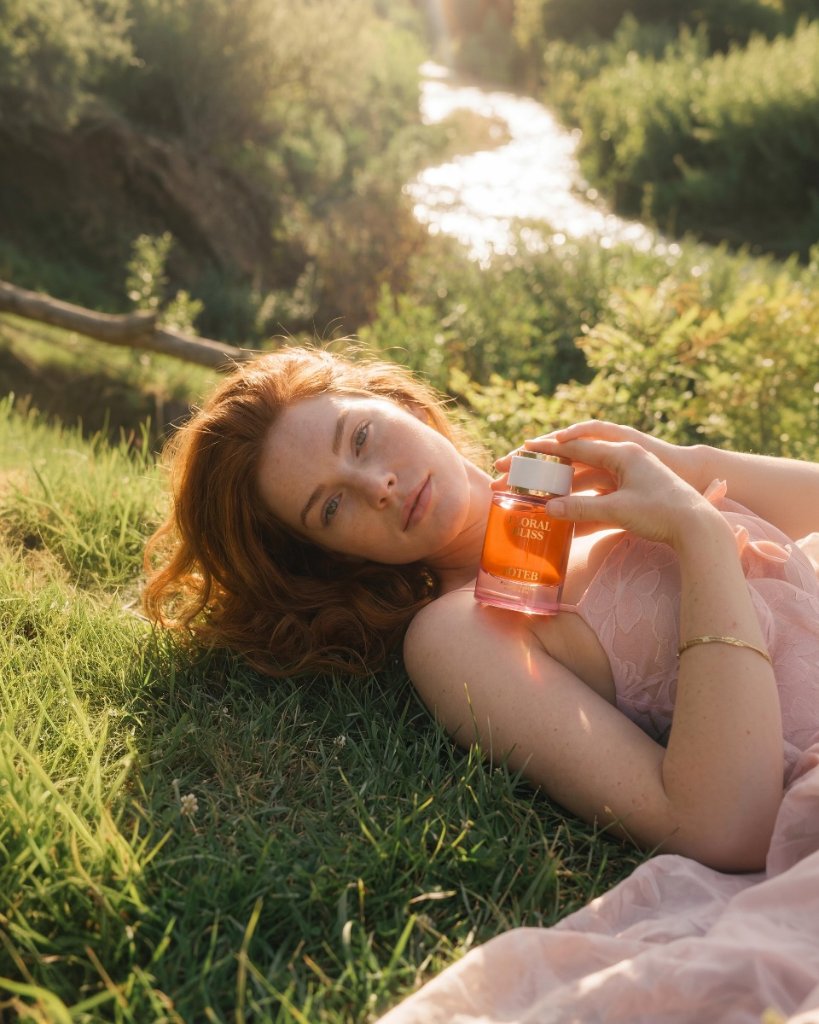
Floral Perfume: The Complete Guide to Flower-Based Fragrances
Floral Perfume: The Complete Guide to Flower-Based Fragrances
Floral perfumes have captivated hearts and senses for centuries. From ancient Egyptian queens who adorned themselves with rose oil to modern perfume enthusiasts seeking the perfect floral signature scent, flower-based fragrances remain the most beloved and timeless category in perfumery. But what makes floral perfumes so special? How do you choose the right one? And what sets luxury floral fragrances from JOTEB apart from the rest?
In this comprehensive guide, we'll explore everything you need to know about floral perfumes - from understanding different floral families to discovering your perfect floral scent.
What is Floral Perfume?
Floral perfume is a fragrance category built around the scent of flowers. These can be single-flower compositions (soliflores) that focus on one bloom, or complex floral bouquets that blend multiple flower essences to create a harmonious olfactory experience.
The beauty of floral perfumes lies in their incredible diversity. A rose perfume can smell completely different from a jasmine perfume, and a floral bouquet can evoke anything from a spring garden to an exotic tropical paradise.
JOTEB's collection features exceptional floral compositions that showcase the artistry of modern perfumery while honoring traditional flower extraction methods.
The History of Floral Fragrances
Ancient Beginnings
Floral perfumes are among the oldest known fragrances. Ancient civilizations extracted flower essences for religious ceremonies, personal adornment, and medicinal purposes.
- Ancient Egypt: Cleopatra was famous for her love of rose and lily perfumes
- Ancient Rome: Used lavender and violet extensively in their baths and oils
- Ancient Persia: Pioneered the distillation of rose water, still used today
- Ancient India: Developed sophisticated jasmine and tuberose extraction techniques
The Golden Age of Perfumery
The 18th and 19th centuries saw the rise of French perfumery in Grasse, where fields of roses, jasmine, and violet created the foundation for the modern perfume industry. Master perfumers developed extraction techniques that could capture the true essence of flowers.
Modern Floral Perfumes
Today, luxury niche brands like JOTEB combine traditional flower extraction methods with modern perfumery techniques to create floral fragrances that are both authentic and innovative.
Understanding Floral Families
Floral perfumes are typically divided into several sub-categories, each with its own character:
1. Single Floral (Soliflore)
These perfumes focus on capturing the essence of a single flower. They're pure, direct, and allow you to experience one bloom in its full glory.
Popular single florals:
- Rose: The queen of flowers, ranging from fresh and dewy to deep and velvety
- Jasmine: Exotic, intoxicating, and deeply sensual
- Violet: Soft, powdery, and nostalgic
- Gardenia: Creamy, lush, and opulent
- Tuberose: Intensely floral, heady, and dramatic
- Lily of the Valley: Fresh, green, and delicate
2. Floral Bouquet
Floral bouquets blend multiple flower notes to create a rich, complex fragrance that mimics a garden in full bloom. These are the most popular type of floral perfumes.
Characteristics:
- Layered and sophisticated
- Balanced composition of multiple flowers
- Can range from light and airy to rich and opulent
- Often includes supporting notes like green leaves, fruits, or woods
3. Fresh Floral
Fresh florals combine flower notes with citrus, green, or aquatic elements to create light, airy, and modern fragrances perfect for daytime wear.
Typical notes:
- Citrus fruits (bergamot, lemon, mandarin)
- Green notes (cut grass, leaves)
- Aquatic notes (sea breeze, water notes)
- Light flowers (peony, freesia, lily of the valley)
4. Floral Oriental
Floral orientals (also called florientals) blend flower notes with warm, spicy, and often sweet ingredients like vanilla, amber, and exotic spices.
Characteristics:
- Rich and sensual
- Warm and enveloping
- Perfect for evening wear
- Long-lasting and impactful
JOTEB's floral oriental compositions showcase this beautiful marriage of flowers and warmth.
5. Floral Woody
Floral woody perfumes combine flower notes with woods, mosses, and earthy elements for a more grounded, sophisticated fragrance.
Common elements:
- Cedarwood, sandalwood, or vetiver
- Patchouli or oakmoss
- White flowers paired with creamy woods
- Modern and elegant character
The Most Popular Floral Notes in Perfumery
Rose
The Queen of Flowers
Rose is the most widely used flower in perfumery, and for good reason. It's complex, beautiful, and has incredible versatility.
Types of rose in perfumery:
- Turkish Rose (Rosa damascena): Rich, deep, and classic
- Bulgarian Rose: Honey-like, warm, and lush
- Moroccan Rose: Spicy, vibrant, and fresh
- Tea Rose: Soft, delicate, and slightly powdery
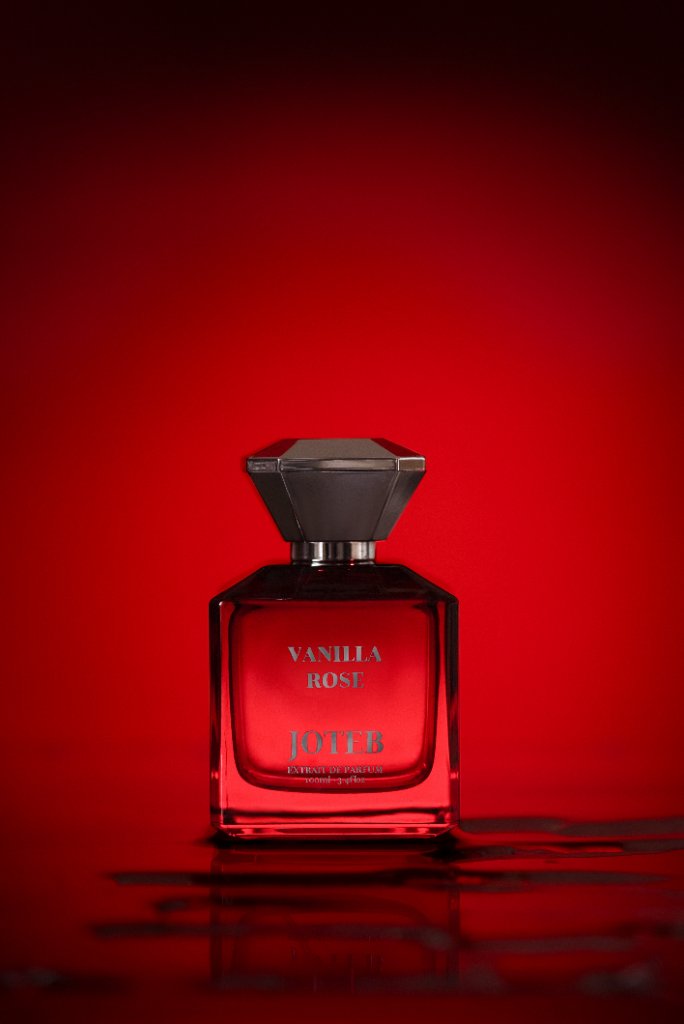
JOTEB's Vanilla Rose is a perfect example of how rose can be elevated with complementary notes like vanilla to create a modern classic.
Jasmine
The King of Flowers
Jasmine is considered the most precious flower in perfumery. Its scent is intoxicating, sensual, and unmistakable.
Characteristics:
- Indolic (slightly animalic) undertones
- Intensely floral and heady
- Becomes more beautiful as it develops on skin
- Expensive and precious - it takes thousands of jasmine flowers to produce a small amount of absolute
Types:
- Jasmine Grandiflorum: Classic, rich, and opulent
- Jasmine Sambac: Green, fresh, and tea-like
Iris
The Noble Flower
Iris (actually derived from the iris root, or orris) is one of the most expensive ingredients in perfumery.
Characteristics:
- Powdery and elegant
- Slightly earthy and rooty
- Sophisticated and refined
- Often described as "makeup-like" or reminiscent of lipstick
Orange Blossom
The Versatile Bloom
Orange blossom (neroli when steam-distilled) offers a fresh, slightly sweet floral note.
Characteristics:
- Clean and fresh
- Slightly honeyed
- Both feminine and masculine
- Uplifting and cheerful
Tuberose
The Drama Queen
Tuberose is one of the most powerful flowers in perfumery.
Characteristics:
- Intensely floral and creamy
- Slightly narcotic and addictive
- Very long-lasting
- Often described as "white floral"
Peony
The Modern Favorite
Peony is a relatively modern addition to perfumery and has become extremely popular.
Characteristics:
- Fresh and dewy
- Slightly rosy with fruity undertones
- Light and airy
- Perfect for everyday wear
Lily of the Valley
The Spring Messenger
This delicate flower has been a perfumery staple for decades.
Characteristics:
- Fresh and green
- Delicate and airy
- Often recreated synthetically (the flower doesn't give up its essence easily)
- Nostalgic and timeless
How Floral Perfumes Are Created
Flower Extraction Methods
Creating floral perfumes requires sophisticated extraction techniques:
1. Enfleurage (Historical Method)
Flowers are placed on animal fat which absorbs their scent over time. Rarely used today due to cost and time.
2. Steam Distillation
Flowers are steamed, and the essential oil is captured. Used for hardier flowers like rose and lavender.
3. Solvent Extraction
Flowers are immersed in solvents to produce an absolute. Used for delicate flowers like jasmine and tuberose.
4. CO2 Extraction
A modern method using carbon dioxide to extract flower essences with minimal heat, preserving the most authentic scent.
5. Molecular Distillation
Advanced technology allows perfumers to capture the exact scent of living flowers, creating "headspace" fragrances.
JOTEB works with master perfumers who use the finest extraction methods to ensure the most authentic and beautiful floral notes in their compositions.
The Art of Floral Composition
Creating a beautiful floral perfume is like composing a symphony. Each flower note must harmonize with the others while maintaining its individual character.
The Perfume Pyramid
Floral perfumes typically follow the classic perfume structure:
Top Notes (First 15-30 minutes):
- Citrus or light florals
- Green notes
- Fresh and immediate
Heart Notes (2-6 hours):
- Main floral bouquet
- The perfume's character
- Where the magic happens
Base Notes (6+ hours):
- Woods, musks, vanilla
- Provide longevity and depth
- Ground the floral notes
Supporting Notes in Floral Perfumes
Flowers rarely stand alone in perfumery. They're often supported by:
- Fruits: Add sweetness and freshness (peach, berries, pear)
- Greens: Provide natural, garden-like quality (galbanum, violet leaf)
- Spices: Add warmth and complexity (pink pepper, cardamom)
- Woods: Offer structure and longevity (sandalwood, cedar)
- Musks: Provide softness and skin-like warmth
- Vanilla: Adds sweetness and comfort
Choosing Your Perfect Floral Perfume
Consider Your Personality
Romantic and Feminine: Look for rose, peony, and soft floral bouquets
Bold and Confident: Try tuberose, jasmine, or powerful white florals
Fresh and Natural: Explore lily of the valley, freesia, or green florals
Sophisticated and Elegant: Consider iris, violet, or refined floral blends
Warm and Sensual: Experience floral orientals with amber and vanilla
Consider the Occasion
Daytime/Office:
- Fresh florals
- Light floral bouquets
- Citrus-floral blends
Evening/Special Occasions:
- Rich floral orientals
- Intense white florals
- Sophisticated floral woods
Romantic Dates:
- Rose-based fragrances
- Soft, sensual florals
- Floral-vanilla combinations
Casual/Everyday:
- Easy-to-wear floral bouquets
- Modern fresh florals
- Versatile floral compositions
Consider the Season
Spring: Light florals, green florals, fresh bouquets
Summer: Fresh florals with citrus, aquatic florals, light and airy
Autumn: Floral woods, warmer florals, spiced florals
Winter: Floral orientals, rich florals with vanilla, deep and warm compositions
Floral Perfumes for Different Ages
Younger Wearers (20s-30s)
Fresh florals, fruity florals, modern compositions
Mature Elegance (40s-50s)
Sophisticated floral bouquets, iris-based perfumes, refined compositions
Timeless Beauty (60+)
Classic rose, elegant florals, comfortable and familiar scents
Note: These are just guidelines. The best perfume is the one that makes YOU feel beautiful, regardless of age.
JOTEB's Floral Masterpieces
JOTEB creates floral fragrances that honor the beauty of flowers while pushing the boundaries of modern perfumery.
Vanilla Rose
Vanilla Rose is JOTEB's interpretation of the classic rose perfume, elevated with warm vanilla and subtle spices. It's feminine without being overly sweet, modern without losing its timeless appeal.
Perfect for:
- Rose lovers seeking a modern twist
- Those who want both freshness and warmth
- Day-to-night versatility
- Romantic occasions
Other Floral Creations
Explore JOTEB's full collection to discover how floral notes are woven into each unique fragrance, creating compositions that tell a story and evoke emotion.
How to Wear Floral Perfumes
Application Tips
1. Apply to Pulse Points:
- Wrists, neck, behind ears
- Inner elbows
- Behind knees (for special occasions)
2. Don't Rub: Rubbing can break down the fragrance molecules. Let it dry naturally.
3. Layer Your Scent:
- Use matching body lotion
- Try JOTEB's All Over Spray as a base layer
- Spray perfume after moisturizing for better longevity
4. Hair and Clothing:
- Spray a light mist on hair (from a distance)
- Lightly spray on clothing (test first for staining)
Making Your Floral Perfume Last Longer
1. Moisturize First: Fragrance lasts longer on hydrated skin
2. Apply After Shower: Warm, slightly damp skin holds scent better
3. Store Properly:
- Keep away from direct sunlight
- Store in cool, dry place
- Keep bottle tightly closed
4. Consider Concentration:
- Eau de Parfum lasts longer than Eau de Toilette
- Parfum/Extract has the highest concentration
Floral Perfume Myths Debunked
Myth 1: "Floral perfumes are only for women"
Truth: Many men wear and love floral fragrances. Rose, iris, and violet are unisex favorites.
Myth 2: "Floral perfumes are always sweet"
Truth: Florals can be green, woody, spicy, or even masculine. Not all flowers smell sweet.
Myth 3: "Floral perfumes are old-fashioned"
Truth: Modern perfumery has created fresh, contemporary floral compositions that feel completely current.
Myth 4: "Natural is always better"
Truth: Both natural and synthetic ingredients have their place. Sometimes synthetics can be more sustainable and consistent.
Myth 5: "Expensive flowers mean expensive perfume"
Truth: While rare flowers increase cost, artistry and composition matter more than individual ingredient price.
The Future of Floral Perfumery
Sustainability
Modern perfume houses are focusing on:
- Sustainable flower farming
- Lab-grown flower molecules
- Biodegradable formulas
- Eco-friendly packaging
JOTEB is committed to responsible sourcing and sustainable practices in all their floral creations.
Innovation
- AI-assisted perfume creation
- New extraction technologies
- Hybrid natural-synthetic molecules
- Personalized floral fragrances
Trends
- Clean and transparent formulations
- Unisex floral fragrances
- Minimalist floral compositions
- Unexpected floral combinations
Caring for Your Floral Perfume Collection
Storage
- Keep in original box when not in use
- Avoid bathroom storage (humidity damages perfume)
- Consider a perfume refrigerator for long-term storage
- Keep away from temperature fluctuations
Shelf Life
- Unopened: 3-5 years
- Opened: 1-3 years (depends on concentration and storage)
- Signs of deterioration: Color change, scent alteration, separation
Building Your Floral Perfume Wardrobe
Essential Floral Fragrances
Every perfume lover should have:
1. A Fresh Floral For daytime, office, and casual wear
2. A Romantic Rose For dates, special occasions, and feeling beautiful
3. A White Floral For evenings, elegance, and making a statement
4. A Floral Oriental For winter, cozy moments, and sensuality
5. A Modern Floral For versatility, uniqueness, and personal expression
JOTEB's collection offers options for each category, allowing you to build a complete floral fragrance wardrobe.
Floral Perfumes Around the World
Different cultures have different relationships with floral fragrances:
France: Classic elegance, rose and violet traditions Middle East: Intense florals, oud-floral blends, rose water heritage India: Jasmine and tuberose dominance, heavy and rich florals Japan: Subtle cherry blossom, delicate and refined America: Fresh and clean florals, modern interpretations
JOTEB draws inspiration from global perfume traditions, creating fragrances that honor cultural heritage while appealing to modern sensibilities.
Frequently Asked Questions
Can men wear floral perfumes?
Absolutely! Many classic men's fragrances contain floral notes like rose, violet, and iris. The idea that florals are "only for women" is outdated.
Do floral perfumes cause allergies?
Some people are sensitive to certain flowers or fragrance compounds. If you have allergies, test perfumes on your skin before purchasing.
How long do floral perfumes last?
It depends on concentration, ingredients, and your skin chemistry. Eau de Parfum typically lasts 6-8 hours.
Can I mix floral perfumes?
Yes! Layering different florals or combining a floral with a complementary scent can create a unique signature.
Are expensive floral perfumes worth it?
Luxury niche perfumes like those from JOTEB use higher quality ingredients, unique compositions, and better longevity, making them worthwhile investments.
What's the difference between perfume and cologne?
Concentration. Perfume (15-40%) lasts longest, Eau de Parfum (8-15%), Eau de Toilette (4-8%), Cologne (2-4%).
Conclusion: The Timeless Beauty of Floral Perfumes
Floral perfumes are more than just fragrances - they're wearable art that connects us to nature, evokes memories, and expresses our personalities. Whether you prefer the classic elegance of rose, the exotic allure of jasmine, or a modern floral bouquet, there's a floral fragrance that's perfect for you.
JOTEB's floral collection represents the pinnacle of floral perfumery - where traditional craftsmanship meets modern artistry, where quality ingredients create unforgettable scents, and where every bottle tells a story.
Explore the world of floral fragrances and discover how the right floral perfume can become your signature scent, your confidence booster, and your invisible accessory that leaves a lasting impression wherever you go.
Visit JOTEB's collection today and begin your journey into the enchanting world of luxury floral perfumes.