The Psychology of Scent: How Fragrance Affects Your Mood, Memory and Attraction
The Psychology of Scent: How Fragrance Affects Your Mood, Memory and Attraction
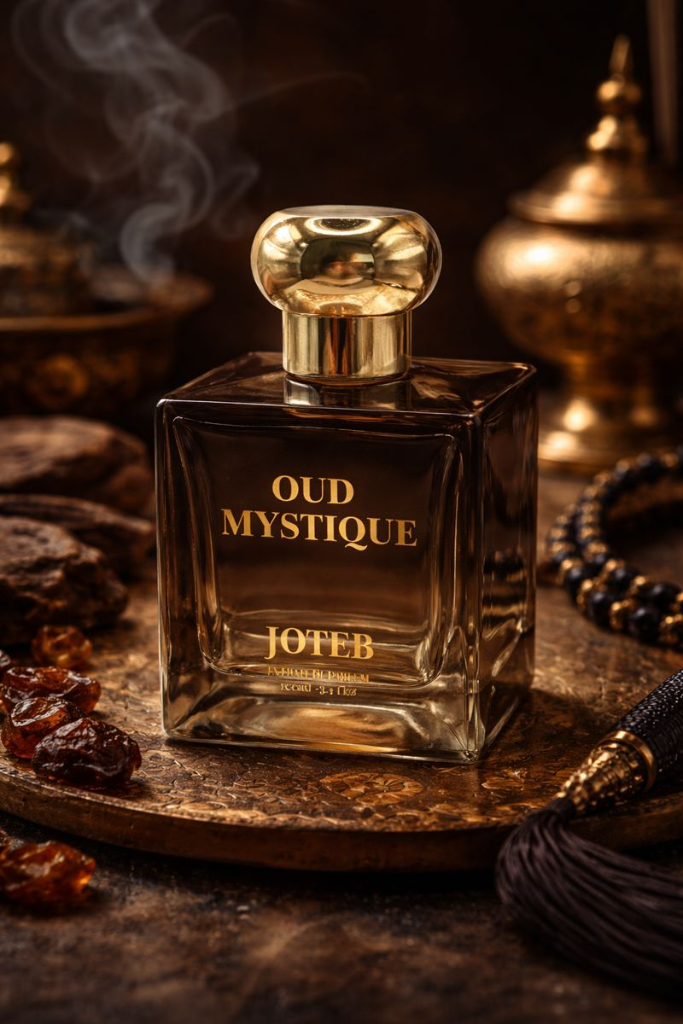
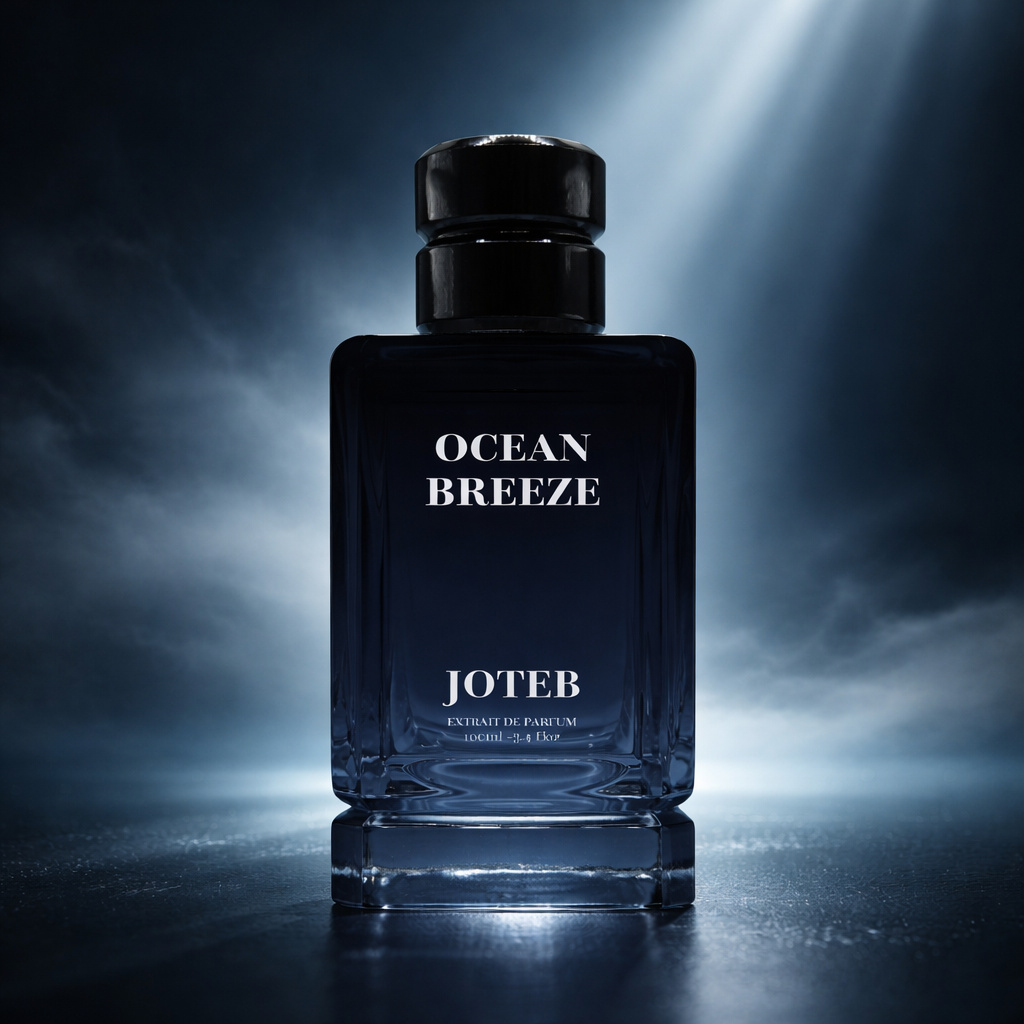
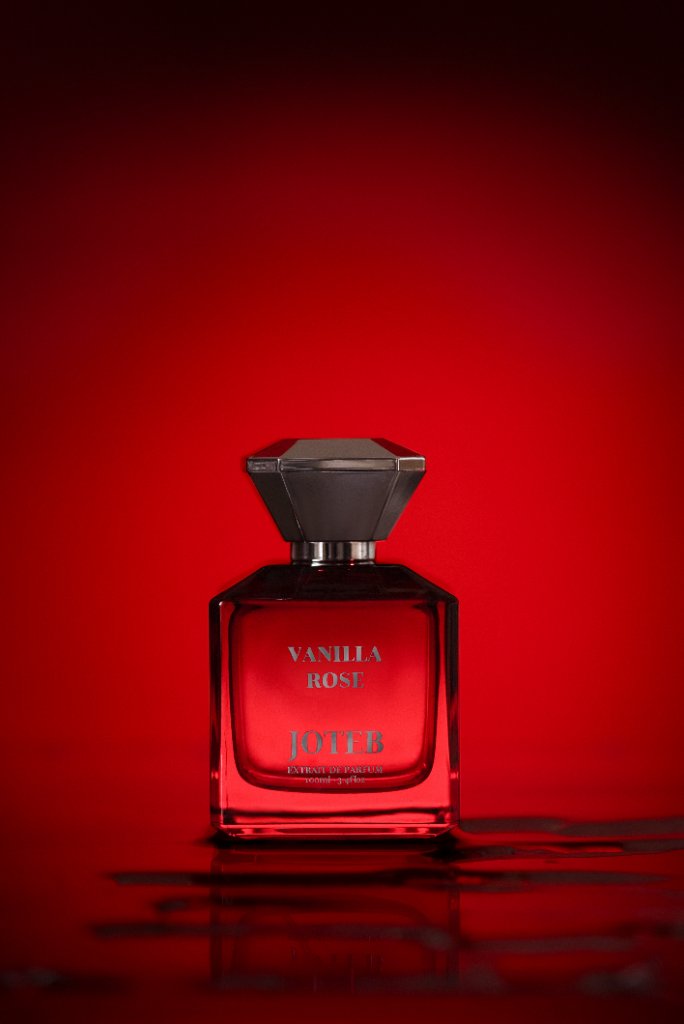
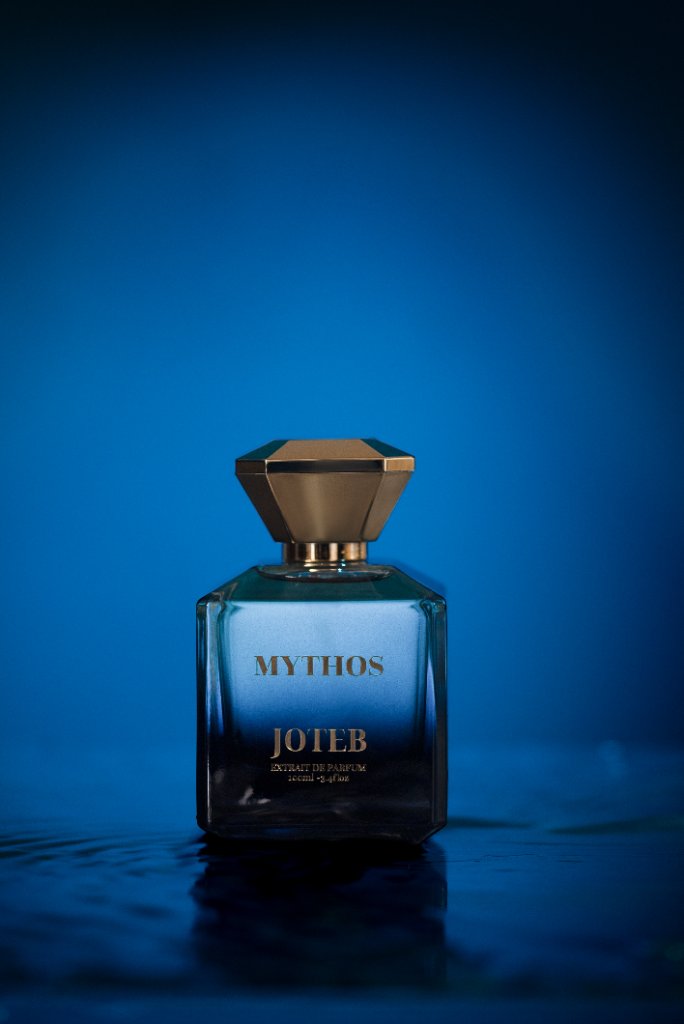
Scent is often regarded as a powerful sensory experience, one that transcends mere fragrance. From the warm embrace of fresh flowers to the invigorating notes of citrus, fragrance profoundly influences our emotions, memories, and even interpersonal relationships. In this exploration, we will delve into the psychology of scent, examining its effects on mood, memory, and attraction while weaving in the sophisticated allure of JOTEB, a luxury fragrance brand that understands the intricacies of olfactory experiences.
Understanding the Power of Scent
The human sense of smell is intricately linked to our psychological state. Unlike other senses, scent is processed in the brain's limbic system, the area responsible for emotions and memories. This unique connection is why a certain fragrance can evoke powerful recollections or drastically alter our mood.
Key Points on the Psychology of Scent:
- Emotional Response: Scent can evoke strong emotional reactions, from nostalgia to elation.
- Memory Triggers: Fragrances can bring back memories more vividly than visual cues.
- Attractive Force: Certain scents can enhance attractiveness and desirability in social situations.
How Perfume Affects Mood
Perfumes and mood enhancement is a fundamental concept within aromatherapy and fragrance design. Many studies suggest that specific scents can uplift spirits or promote relaxation, leveraging the psychological connection forged through scent.
Popular Scents and Their Effects:
- Citrus (Lemon, Orange): Invigorating, energizing, and uplifting.
- Lavender: Calming and soothing, often associated with stress relief.
- Vanilla: Warm and comforting, can evoke feelings of happiness.
- Sandalwood: Grounding and stabilizing, often used for meditation.
At JOTEB, each fragrance is crafted with an understanding of how different notes interact to create mood-enhancing experiences. Selecting a scent from our collection allows you to tap into the full potential of olfactory influence.
Fragrance and Memory: The Olfactory Connection
Memory is heavily influenced by scent. Researchers have found that olfactory cues are among the most effective triggers for recalling significant past events. The term "Proustian memory", named after French writer Marcel Proust, describes how a smell can invoke vivid memories.
Why Scent-Linked Memories Are Powerful:
- Emotional Encoding: Smells are often intertwined with emotions, making them more memorable.
- Uniqueness of Experience: The brain codes scent memories differently than visual or auditory memories
- Accessibility: Scent can trigger memories that may otherwise be difficult to recall, bringing them to the forefront.
This capability of fragrance to trigger memories can also enhance personal connections. A signature scent can become a olfactory legacy, forever linking specific moments and relationships to those fragrances.
The Role of Scent in Attraction
Scent Attraction – the idea that certain smells can make a person more appealing to others – is a well-researched phenomenon. Pheromones, microscopic chemicals that influence human behavior, play a role in this fascinating aspect of human psychology.
How Fragrances Enhance Attraction:
- Individuality: Your unique scent can complement your body chemistry, creating an attractive signature.
- Social Signals: Certain scents can signal health and vitality, enhancing desirability.
- Confidence Elevation: Wearing a fragrance you love can boost your self-esteem, making you more attractive to others.
At JOTEB, each fragrance aims to elevate the wearer's natural allure, enhancing attractiveness through artful scent compositions that resonate with their emotional states.
Practical Tips for Choosing Fragrances
Selecting the right fragrance is a personal journey that requires self-awareness and understanding of how different scents make you feel.
Here are some expert tips for choosing a fragrance:
- Identify Your Preferences: Think about past fragrances you’ve loved and what specific notes you enjoyed.
- Consider Your Mood: Reflect on how you want to feel or how you want others to perceive you when wearing a scent.
- Test on Skin: Always test a fragrance on your skin before purchasing; body chemistry can alter how a scent smells.
- Layering Scents: For a personalized touch, experiment with layering different fragrances to create a unique scent profile.
- Seasonal Choices: Consider lighter scents for summer and deeper, richer notes for winter to align with your environmental conditions.
Conclusion
The psychology of scent reveals a complex interplay between fragrance, emotion, and memory. Understanding how perfume affects mood, how scents evoke memories, and how they contribute to attraction can transform how we utilize fragrances in our daily lives.
Whether you seek to enhance your mood, evoke cherished memories, or make a memorable impression, the right fragrance can serve as a powerful ally.
To explore the luxurious offerings of JOTEB, featuring harmoniously blended scents that cater to these psychological connections, visit our collection. Elevate your sensory experience and discover how JOTEB fragrances can enrich your emotional landscape.
FAQ
What is the psychology of scent?
The psychology of scent examines how fragrances influence our emotions, memories, and interactions.
How can perfume affect my mood?
Certain scents can help uplift your spirits or provide relaxation, impacting your emotional state.
Can fragrance evoke memories?
Yes! Scents can trigger vivid, emotional memories due to their unique connection to the brain's limbic system.
By understanding these nuances, you can make more informed choices about the fragrances you wear and their potential impact on your life.