In this article
- Understanding Fragrance Longevity
- Fragrance Concentration: The Foundation
- Eau de Cologne (2-5% fragrance)
- Eau de Toilette (5-15% fragrance)
- Eau de Parfum (15-20% fragrance)
- Extrait de Parfum (20-40% fragrance)
- How to Choose a Long-Lasting Fragrance
- 1. Understand Your Preferences
- 2. Pay Attention to Notes
- 3. Test Before You Buy
- 4. Consider the Concentration
- The Art of Application: Strategic Placement
- The Pulse Point Method
- Application Technique
- Pro Tips for Maximum Longevity
- 1. Layer Your Fragrance
- 2. Refresh Strategic Points
- 3. Fragrance Clothes, Not Just Skin
- 4. Store Properly
- 5. Consider Your Activity
- The Fragrance That Stays
- Final Thoughts
Understanding Fragrance Longevity
When we talk about a fragrance that "holds up," we're referring to its sillage (the trail it leaves) and longevity (how long it lasts on your skin).
Not all fragrances are created equal. Some fade within hours, while others linger for 8, 10, or even 12+ hours. The difference lies in concentration levels and composition.
Fragrance Concentration: The Foundation
The strength and longevity of a perfume depends heavily on its concentration of fragrant oils:
Eau de Cologne (2-5% fragrance)
The lightest option typically fades in 1-2 hours. Refreshing for summer but not suitable if you want lasting power.
Eau de Toilette (5-15% fragrance)
A moderate concentration. Lasts 3-4 hours and is often fresh and energizing but may require reapplication.
Eau de Parfum (15-20% fragrance)
A richer concentration that typically lasts 6-8 hours. This is often considered the "sweet spot" for daily wear.
Extrait de Parfum (20-40% fragrance)
The most concentrated and luxurious option. Lasts 8-12+ hours and develops beautifully on the skin throughout the day. This is the choice of perfume connoisseurs.
How to Choose a Long-Lasting Fragrance
1. Understand Your Preferences
Before choosing, consider:
- Do you prefer light, fresh scents or rich, deep ones?
- What time of day or season will you wear it?
- Do you want something subtle or something that makes a statement?
2. Pay Attention to Notes
Fragrances unfold in three layers:
Top notes (opening): The first impression, lasting 5-15 minutes. Often bright and citrusy.
Heart notes (middle): The core of the fragrance, lasting 15 minutes to several hours. Where the fragrance's true character emerges.
Base notes (foundation): The longest-lasting layer, providing depth and longevity. Woods, musks, and resins typically create this foundation.
For a long-lasting fragrance, you want a strong base. Look for fragrances with woody, amber, or oud notes.
3. Test Before You Buy
Always test a fragrance on your skin. Scent reacts differently to everyone's chemistry. What smells perfect on a test strip may be completely different when worn on your body.
4. Consider the Concentration
If longevity is your priority, choose at least Eau de Parfum or higher. The slight price increase is worth the extended wear.
The Art of Application: Strategic Placement
How you apply fragrance is just as important as what you choose. Smart application can significantly extend longevity.
The Pulse Point Method
Apply fragrance to pulse points areas where blood vessels are closest to the skin and heat naturally rises. These warm areas help diffuse and develop the scent:
- Wrists: The most common application point. Spray or dab gently.
- Inner elbows: Warm and often hidden, creating a subtle trail.
- Neck and collarbone: Great for fragrances you want noticed.
- Behind ears: Creates an intimate scent that those close to you will notice.
- Inner thighs: A personal choice it creates a soft, personal signature.
- The nape of the neck: Especially effective if you have long hair.
Application Technique
DO:
- Spray from 6-8 inches away
- Apply to clean, moisturized skin (fragrance lasts longer on hydrated skin)
- Apply after showering (pores are open and receptive)
- Let it dry naturally—don't rub your wrists together (this breaks down fragrance molecules)
- Apply less if you'll be in an intimate setting; a little goes a long way
DON'T:
- Apply to dry skin (it fades faster)
- Spray into the air and walk through it (wasteful and uneven)
- Overdo it more isn't better
- Store fragrance in direct sunlight or heat (it degrades the composition)
Pro Tips for Maximum Longevity
1. Layer Your Fragrance
Use an unscented moisturizer on pulse points before applying fragrance. The extra hydration helps it last longer.
2. Refresh Strategic Points
Mid-day, reapply to one pulse point (your neck or wrists) rather than reapplying everywhere. A single dab is often enough.
3. Fragrance Clothes, Not Just Skin
Lightly spray on clothing (test a hidden area first to avoid stains). Fabric holds fragrance longer than skin.
4. Store Properly
- Keep your perfume in a cool, dark place
- Avoid temperature fluctuations
- Keep the cap on when not in use
- Store away from direct sunlight
5. Consider Your Activity
If you're exercising or in a warm environment, apply less. Heat accelerates fragrance diffusion, which means it fades faster.
The Fragrance That Stays
A truly long-lasting fragrance is one that:
- Develops beautifully throughout the day
- Doesn't overpower in the opening
- Becomes more intimate as time passes
- Leaves a subtle trace hours after application
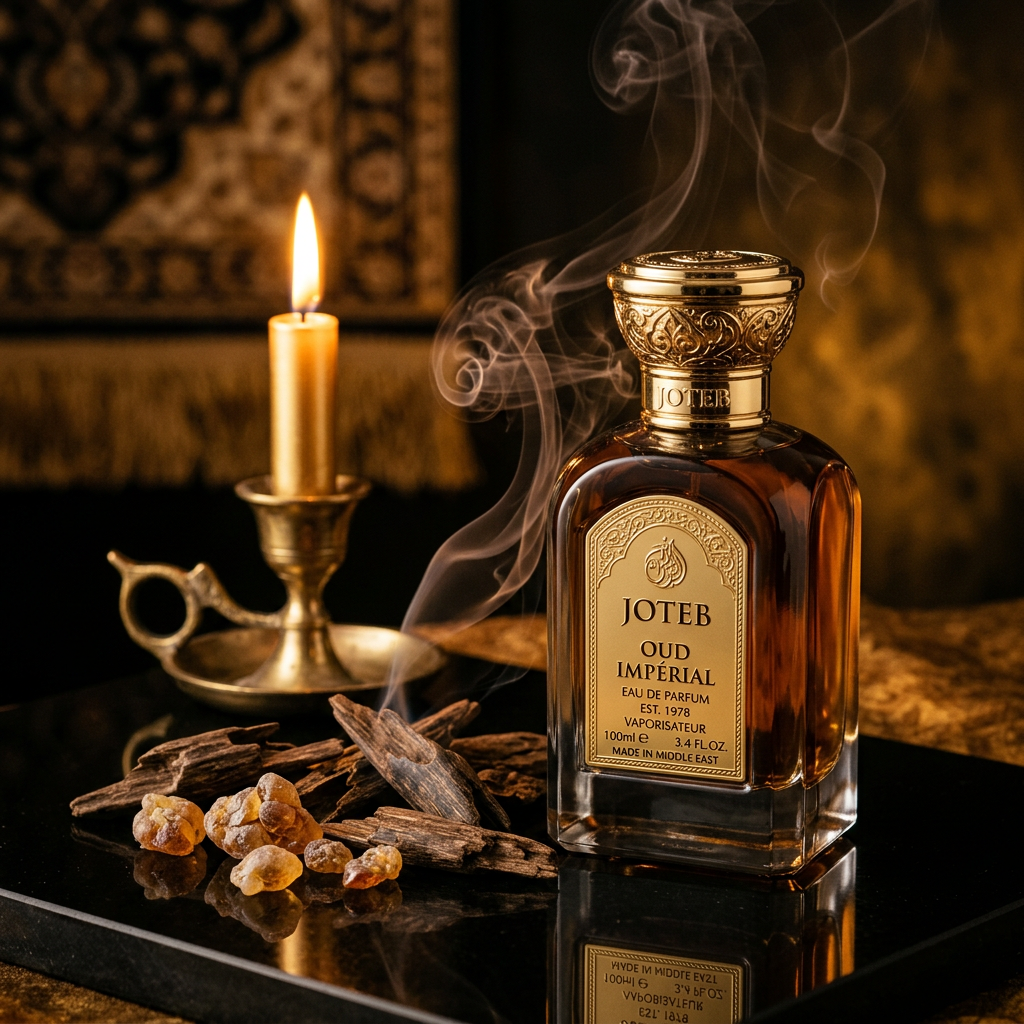
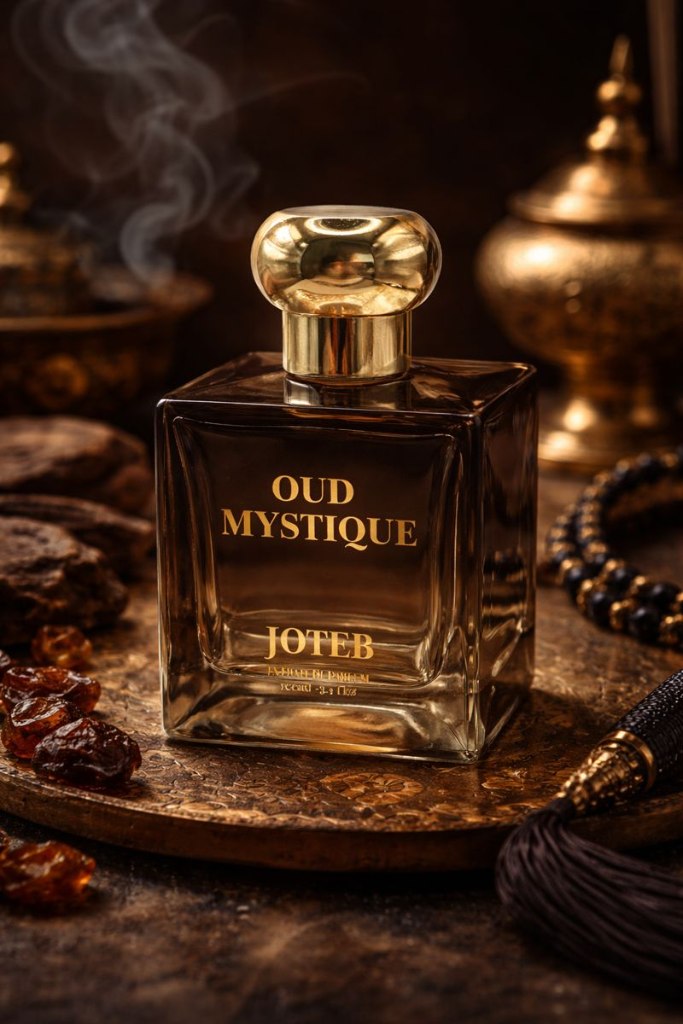
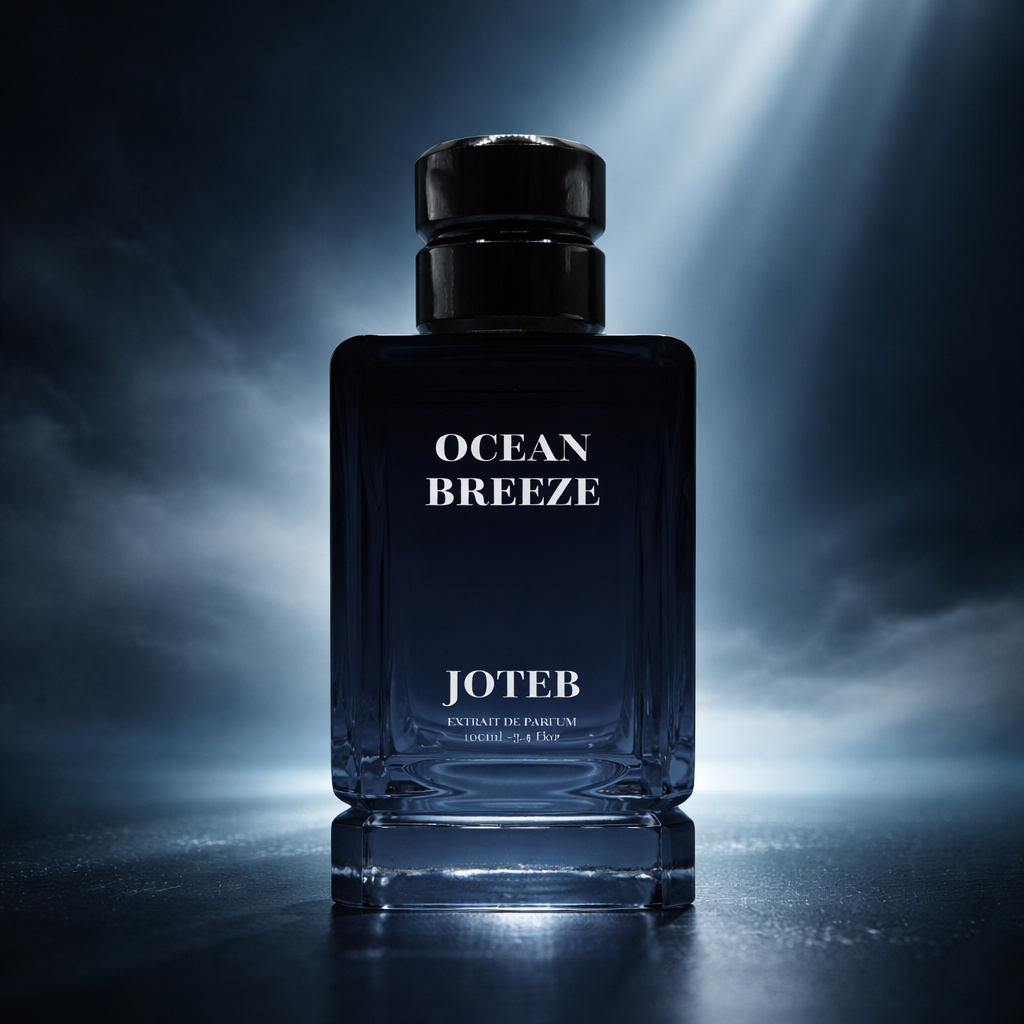
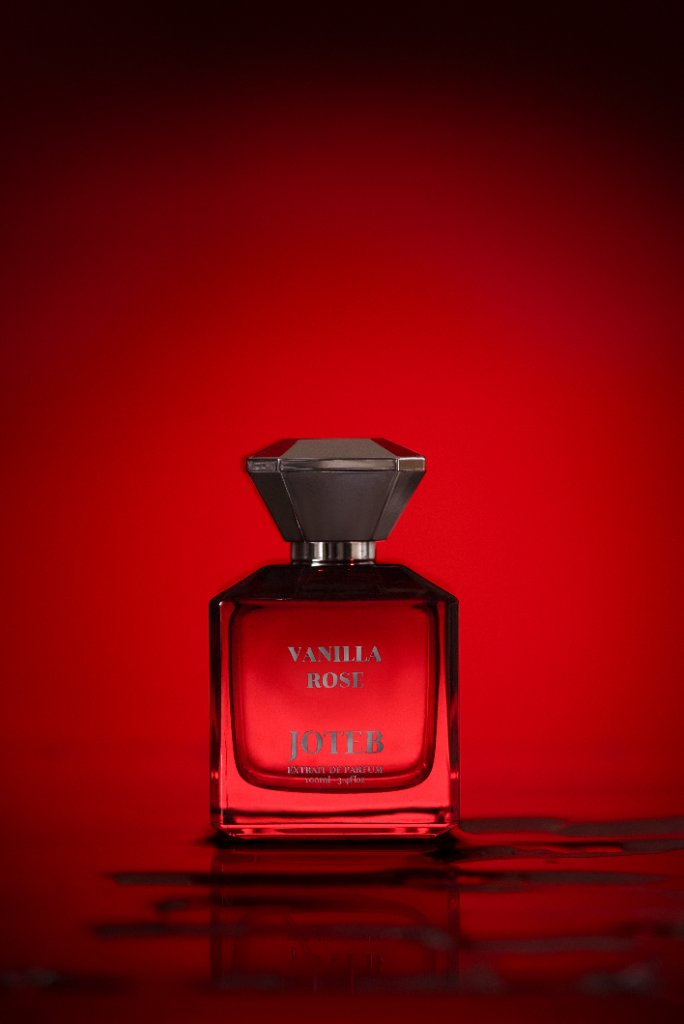
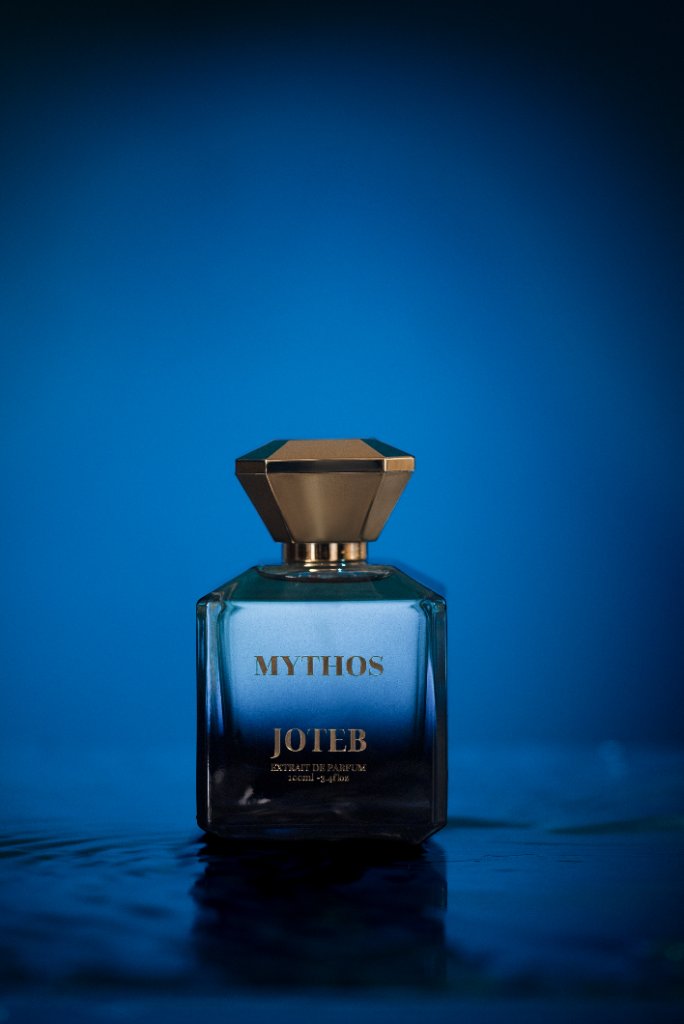
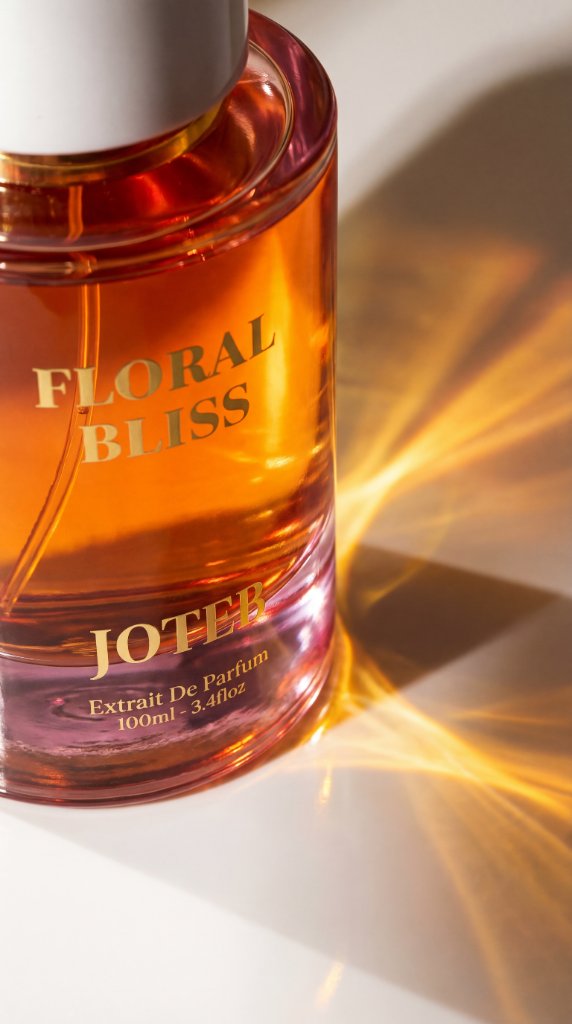
This is why Extrait de Parfum fragrances like JOTEB's collection are prized by fragrance enthusiasts. They're designed to evolve, to become part of you, and to linger in memory long after you've left a room.
Final Thoughts
Choosing and applying a long-lasting fragrance is both an art and a science. It's about understanding your preferences, selecting the right concentration, and applying strategically.
When done correctly, your fragrance becomes an invisible accessory a signature that speaks before you do, and lingers long after you're gone.
- #fragrance longevity
- #extrait de parfum
- #perfume tips
- #scent application
- #fragrance guide
Frequently Asked Questions
- What is the difference between Extrait de Parfum and other fragrance concentrations?
- Fragrance longevity is primarily determined by oil concentration. While Eau de Toilette contains 5-15% fragrance, Extrait de Parfum features a significantly higher 20-40% concentration. This density allows for a more luxurious experience, enabling the scent to develop beautifully on your skin for 8-12+ hours, making it the preferred choice for connoisseurs.
- How can I make my perfume last longer on my skin?
- For optimal longevity, always apply your fragrance to clean, hydrated skin. Using an unscented moisturizer on pulse points before application provides a base for the scent to cling to. Additionally, avoid rubbing your wrists together after spraying, as this action breaks down fragrance molecules and causes the scent to dissipate more rapidly.
- Why does my fragrance smell different on my skin compared to a test strip?
- Every individual possesses unique skin chemistry that reacts differently with fragrance compositions. Scent develops as it interacts with your body's natural heat and oils. A test strip only offers a brief impression of the opening notes, whereas applying a fragrance to your pulse points allows the heart and base notes to evolve authentically.
- Where are the best places to apply perfume for maximum impact?
- Strategic application focuses on pulse points where blood vessels are closest to the surface, such as the wrists, inner elbows, behind the ears, and the base of the neck. These warm areas naturally diffuse the fragrance, allowing the notes to unfold consistently and effectively throughout your day for a lasting personal signature.
- How should I store my fragrance to preserve its quality?
- Fragrances are sensitive to environmental factors like heat and direct sunlight, which can degrade their complex compositions over time. To maintain the integrity of your perfume, store bottles in a cool, dark place away from temperature fluctuations. Always ensure the cap is replaced securely after each use to prevent unnecessary air exposure.